
Why completed work can still mean a long wait
A government contractor can finish the job on time and still wait weeks for the related receivable. The invoice may pass through intake, contract matching, program review, receiving confirmation, supervisory approval, voucher processing, and payment. Every jurisdiction has its own workflow, and a missing approval or mismatched reference can restart part of that sequence. When a vendor describes a 90–105 day payment cycle, the delay is often the accumulated result of several handoffs rather than a single decision.
The invoice clock starts before submission
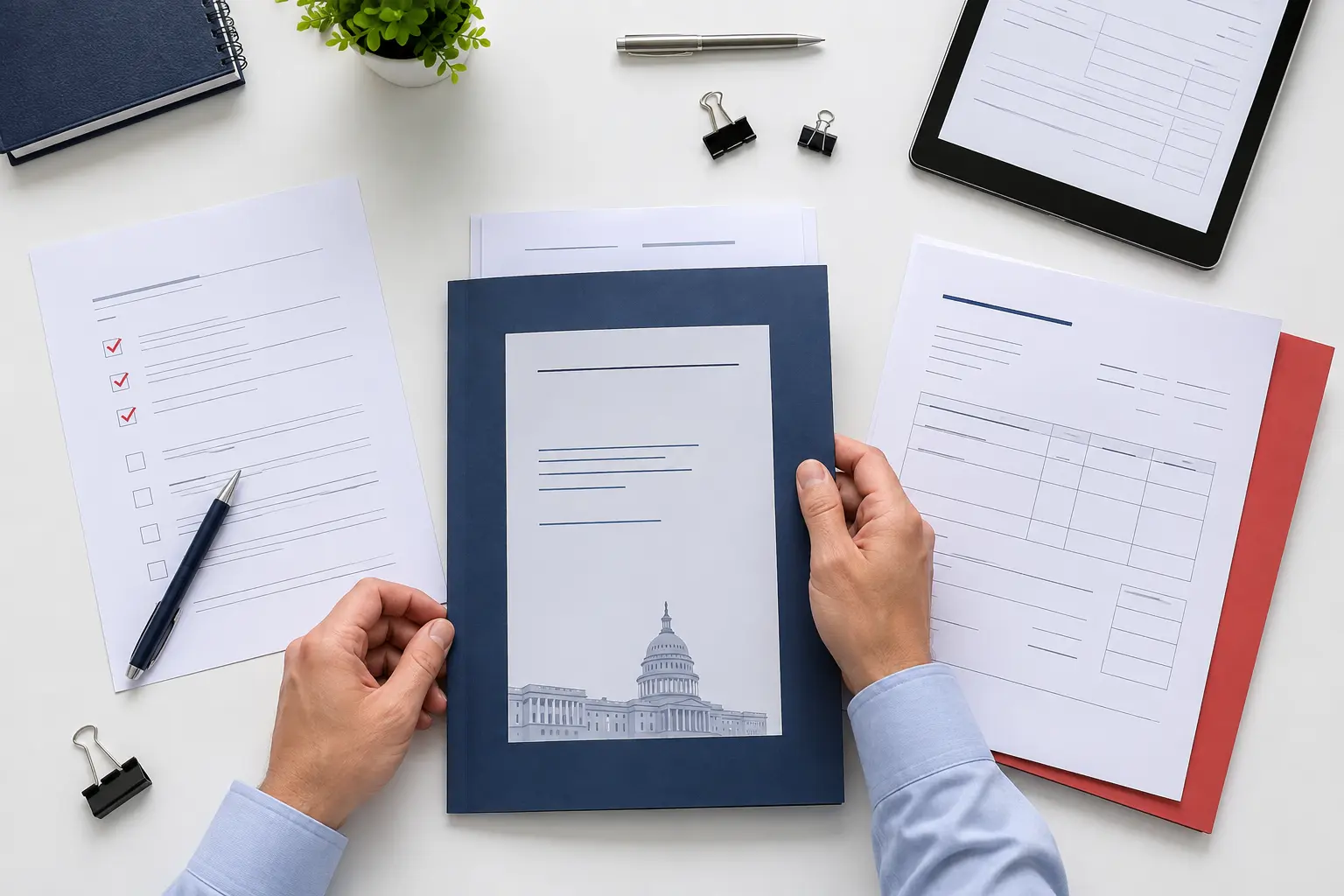
Payment readiness begins with the contract, purchase order, change orders, delivery evidence, and agency instructions. Before sending an invoice, verify the legal vendor name, remit-to details, purchase order number, contract number, service dates, quantities, rates, and required signatures. A complete government invoice submission cannot guarantee faster payment, but it can reduce avoidable clarification requests and help the reviewer connect the bill to the work that was authorized and accepted.
A payment delay becomes a working-capital problem
Payroll, insurance, equipment, materials, fuel, and subcontractor obligations continue while a government receivable is outstanding. That timing mismatch can prevent a healthy vendor from mobilizing for the next award. Build a rolling cash forecast that separates expected revenue from available cash, identifies the operating costs attached to each contract, and shows how long the business can support the gap without interrupting performance.
Track the receivable with the right evidence
Keep a single digital record with the submission date, amount, agency contact, confirmation number, contract reference, current status, exception notes, and every follow-up. Illinois State vendors can also use the Illinois Office of Comptroller’s Vendor Payments tools to review issued payment and contract details. A clean status history improves internal forecasting and makes it easier to respond when an agency requests additional documentation.
Consider capital before the gap becomes urgent
Government contractor financing or invoice-based working capital may help an eligible business bridge the period between completed work and government payment. Compare the cost of capital with the value of maintaining payroll, purchasing materials, or accepting the next contract. GoVendor can connect a contractor with an independent finance partner for an eligible file. The partner conducts verification and underwriting, decides whether to approve, and sets the final terms; funding and timing are not guaranteed.
 Invoice readiness
 Digital workflow
 Vendor capital